

Why Your China Supplier Quote Is Not the Real Cost (Australia Import Guide)
Learn what's really included in the cost of importing from China to Australia. This guide covers freight, customs duty, GST, port fees, and how to calculate your true landed cost.
5/2/20263 min read
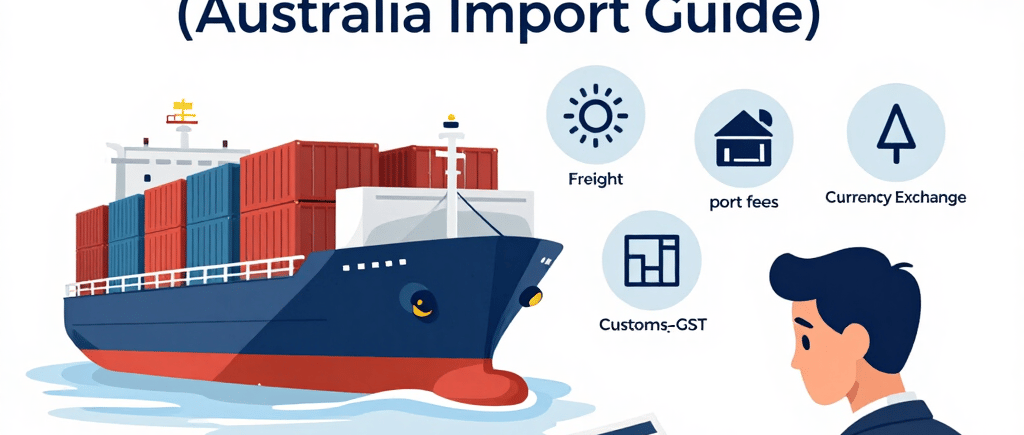
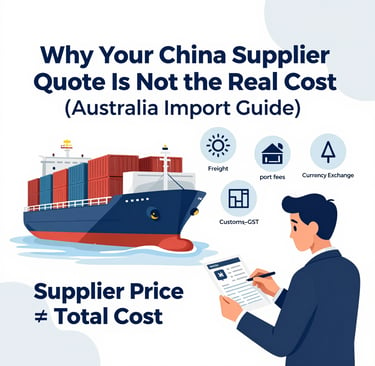
Why Your China Supplier Quote Is Not the Real Cost (Australia Import Guide)
Getting your first quote from a Chinese supplier is exciting. The numbers look good, the margins seem healthy, and you start doing the maths in your head. Then the shipment arrives — and so does a bill you weren't expecting.
It happens to a lot of importers, especially in the early days. The supplier's price is just one piece of the puzzle, and often the smallest piece once everything else stacks up. Here's what you actually need to factor in before you commit to an order.
1. Shipping Costs Are Never Fixed
Freight is one of those costs that can genuinely surprise you if you haven't imported before. It's not a flat rate — it moves around constantly based on a few key things:
Sea freight is the go-to for most businesses because it's far cheaper than air, but it's slower (usually 3–5 weeks from China to Australia). Air freight gets your goods here in days, but the cost per kilogram is dramatically higher — it's really only practical for small, high-value items or urgent restocks.
Beyond the mode of transport, freight prices shift with fuel costs, seasonal demand (Chinese New Year is notorious for delays and price spikes), and container availability. During the supply chain disruptions of recent years, some importers saw their freight costs triple overnight. It doesn't always get that dramatic, but the volatility is real and worth planning for.
The bottom line: always get a current freight quote after you've confirmed your order details, not before.
2. Port and Handling Fees Add Up Quickly
Your goods don't just roll off a ship and appear at your warehouse. There's a whole process that happens at the port, and most of it costs money:
Terminal handling charges — fees for moving containers at the port
Customs broker fees — you'll almost certainly need a licensed broker to clear your goods through Australian customs
Storage and demurrage — if your container sits at the port longer than the free period (usually 3–5 days), you start getting charged daily
These aren't huge individually, but combined they can easily add $500–$2,000+ to a typical shipment. First-time importers often forget them entirely when calculating their costs.
3. Customs Duty and GST Are Non-Negotiable
Two things are certain when importing into Australia: customs duty and GST.
Duty rates vary depending on what you're importing. The rate is determined by something called an HS code (Harmonised System code), which classifies your product. Some goods come in duty-free; others attract rates of 5–10% or more. If you don't know your product's HS code, a customs broker can help — it's worth finding out early, because duty can significantly affect your margin.
GST is simpler: it's 10% applied to the value of your goods plus shipping plus duty. So it compounds. The good news is that if you're GST-registered in Australia, you can claim it back — but you still need to have the cash available when the bill comes in.
4. Inspections and Compliance Aren't Optional
Australia has strict biosecurity and product safety requirements, and customs can pull your shipment for inspection at any time. When that happens, you're looking at:
Inspection fees
Potential testing costs if your goods need to be verified against Australian standards
Delays that can push you into storage fees
Depending on your product category, there may also be specific compliance certifications required before you can even sell in Australia. Electrical goods, children's products, and food-related items are common examples. Getting caught out with non-compliant products doesn't just cost money — it can result in goods being destroyed at your expense.
5. The Exchange Rate Is a Hidden Variable
Most Chinese suppliers quote in USD, not AUD. That means the exchange rate on the day you pay is the rate you get — and it can move meaningfully between when you placed the order and when the invoice is due.
A 5% swing in the AUD/USD rate doesn't sound like much, but on a $50,000 order that's $2,500 — gone, just from currency movement. For businesses doing regular import volumes, it's worth looking into forward contracts or hedging strategies through your bank or a specialist FX provider.
What You Actually Need to Calculate: Your Landed Cost
Landed cost is the number that matters. It's the total cost of getting your goods from the factory floor in China to your warehouse in Australia. Add it all up:
Supplier price
Freight (sea or air)
Port and handling fees
Customs broker fees
Duty and GST
Inspection costs (if applicable)
Currency exchange impact
Only when you know your landed cost can you properly price your product, protect your margins, and avoid the nasty surprises that catch out so many first-time importers.
If you'd like help working through the numbers for your specific situation, we offer a free 30-minute consultation — no obligation, just a practical conversation about what your import journey actually looks like.
Contact Details
Get in touch for sourcing and supply chain solutions
Australian business number (ABN): 29 968 337 654
© 2025. All rights reserved.
📞Phone: +61 451 213 682